

6 Reasons to Leave Drywall Work to the Professionals
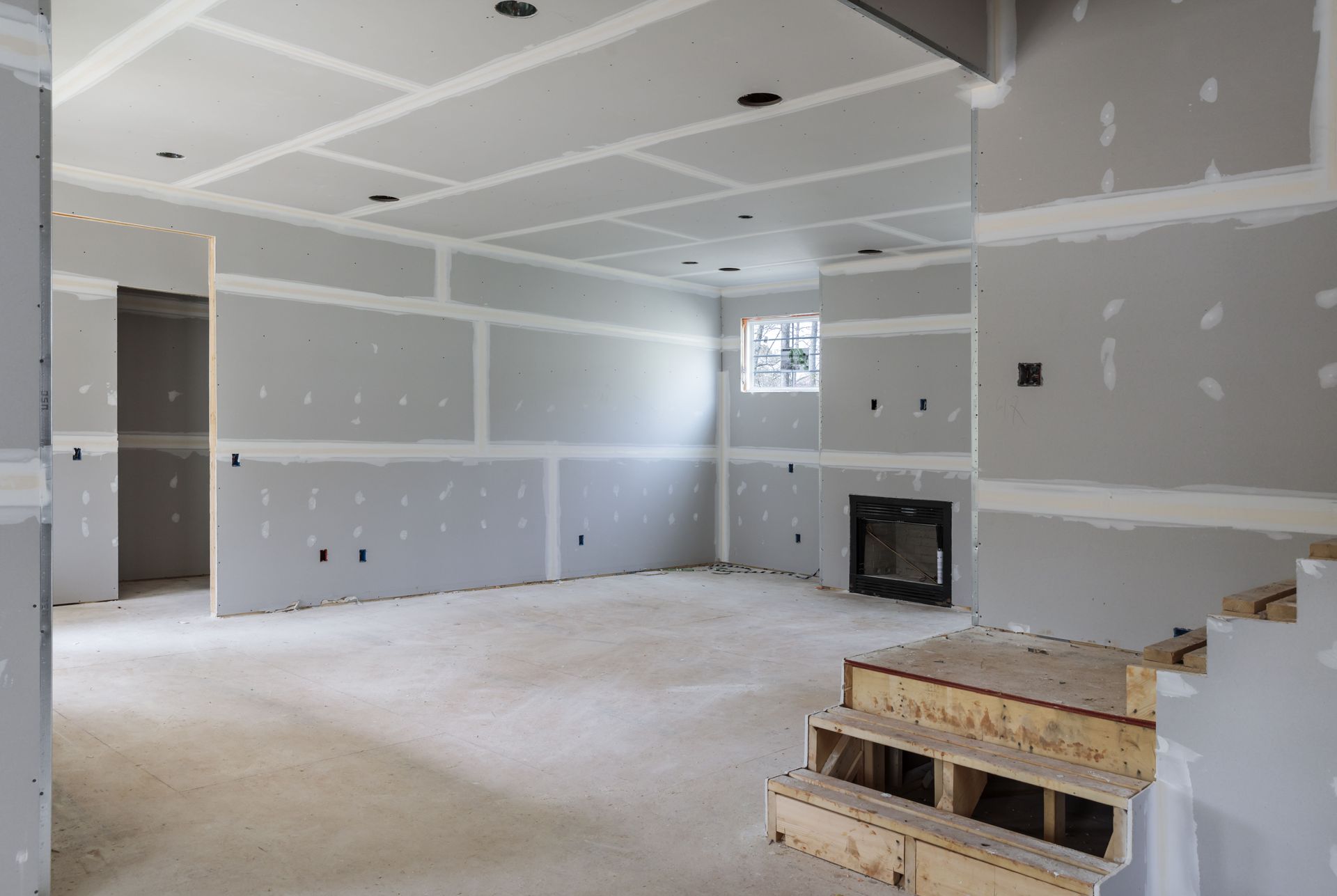
Drywall affects how a room looks long before furniture, lighting, and decorations are added. Uneven seams, visible fasteners, and poorly blended repairs can remain noticeable after painting, making an otherwise attractive space feel unfinished. Although installing or patching wallboard may appear straightforward, producing a consistent surface requires several skills working together.
Hiring a drywall contractor gives homeowners access to practical experience with measuring, hanging, taping, and finishing. Professional involvement is particularly valuable when a project includes multiple rooms, ceilings, or repairs that must blend into existing walls. The following six reasons explain how skilled workmanship can improve the process and the finished result.
1. Appropriate Materials and Accurate Installation
Drywall products vary, and selecting suitable materials begins with understanding the location and purpose of the work. Standard panels and products intended for particular moisture or fire-resistance requirements are not interchangeable in every application. Experienced installers evaluate project needs before selecting panel thickness, materials, and installation methods.
Accurate measurements are equally important. Walls contain corners, openings, outlets, and other features that require careful planning before sheets are cut. A drywall contractor can organize panel placement to reduce awkward joints and unnecessary waste while accounting for the surfaces and framing that will support the installation.
Fastener placement and handling also influence the result. Poorly positioned screws, damaged panel edges, or unsupported joints can create problems that finishing alone will not resolve. Professional installation addresses these details before compound and paint conceal the underlying work, reducing the likelihood that avoidable defects will appear later.
This preparation becomes especially useful in rooms with irregular dimensions or architectural details. Rather than improvising after materials have been cut, experienced installers consider how separate sections will meet. Homeowners benefit from a planned approach that connects material selection, panel layout, and installation quality.
2. Smoother Seams and More Consistent Finishes
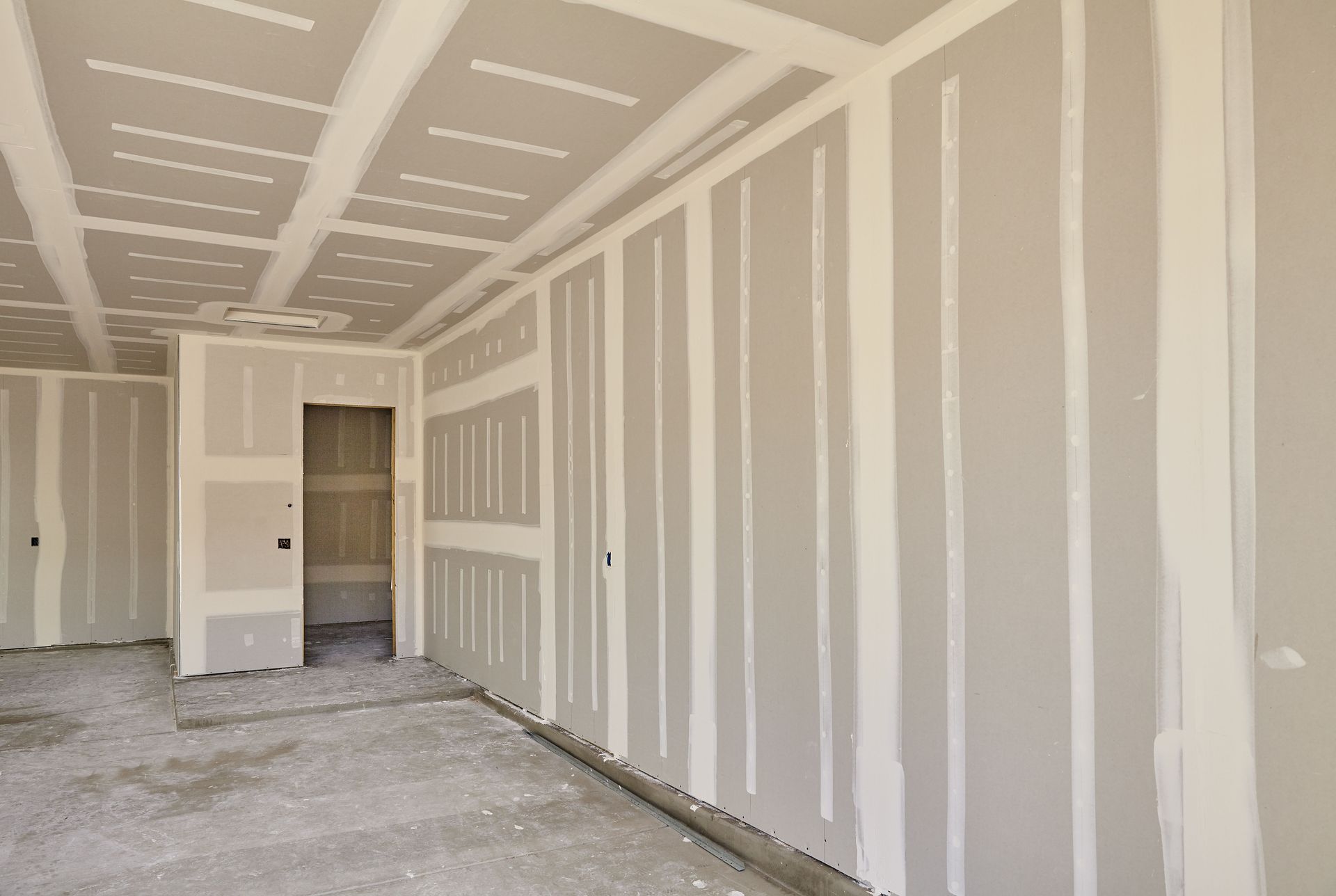
Hanging drywall is only part of the job. Taping joints, covering fasteners, forming corners, and applying compound require control over both material and technique. Ridges, bubbles, and uneven transitions may become more apparent once the surface is painted or illuminated from an angle.
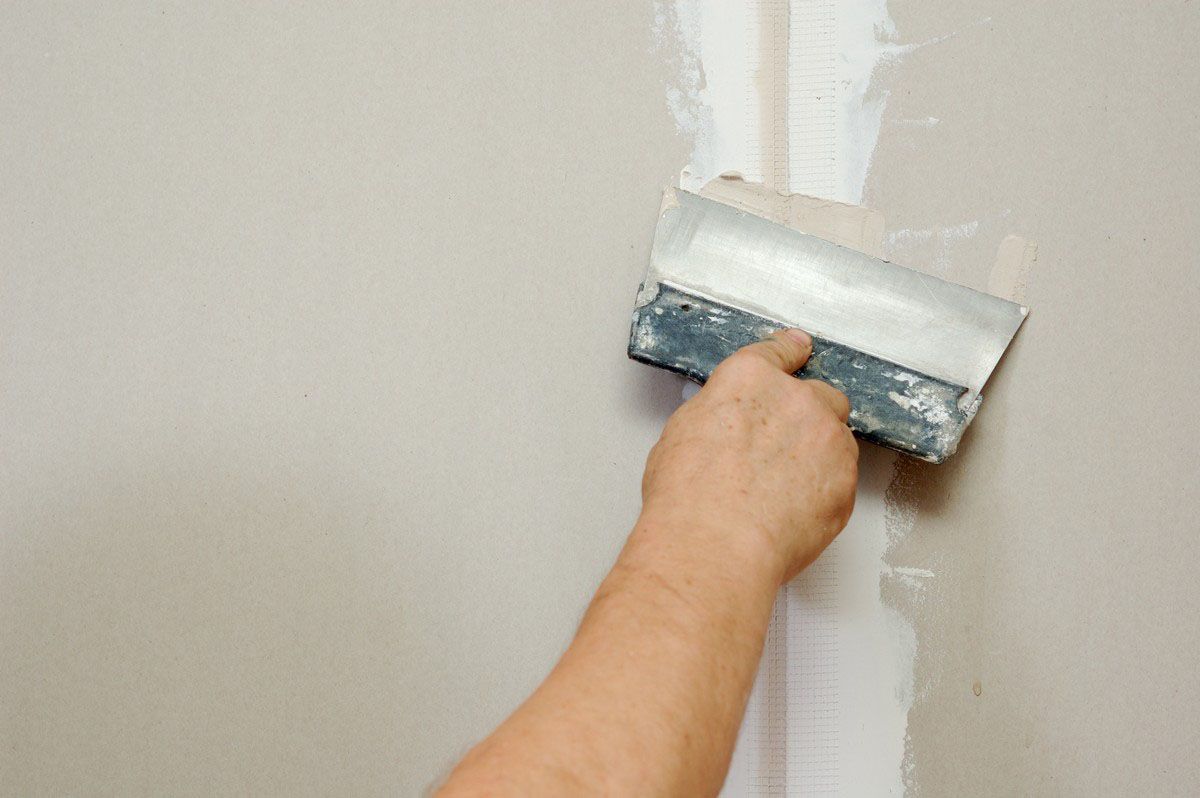
A drywall contractor understands how to build and feather compound across joints without leaving obvious raised areas. Proper timing between applications matters, as does knowing when additional material is needed and when sanding is appropriate. These decisions come from repeated experience with surfaces at different stages of completion.
Repairs introduce another challenge: blending new work into an established wall. The repaired section needs to relate to the surrounding surface rather than stand out as a separate patch. Where texture is involved, discuss the expected match before work begins, since existing patterns and finishes may limit how closely repairs blend.
Professional finishing also includes assessing the surface before the next trade begins. Homeowners should clarify the expected finish and whether priming or painting is included. Establishing that scope early helps everyone understand what a completed drywall surface will look like at handoff.
3. Better Scheduling and Coordination
Drywall work involves a sequence of tasks that cannot always be compressed into one uninterrupted session. Preparation, hanging, compound application, drying, sanding, and cleanup each require time. Inexperienced homeowners may underestimate these stages and find that a weekend project disrupts the household much longer than expected.
An experienced drywall contractor can estimate the working schedule and explain what may affect completion. Room size, repair complexity, drying conditions, and access all influence the timeline. A realistic plan helps homeowners arrange furniture storage, room access, and other renovation activities around the work.
Coordination becomes more important when plumbing, electrical work, or other construction is happening in the same space. Closing walls before necessary work behind them is complete can lead to reopening finished areas. Clear communication between the relevant trades helps avoid overlapping tasks and unnecessary damage to newly installed surfaces.
Professional organization also supports day-to-day efficiency. Materials can be staged, work areas prepared, and tasks grouped to reduce repeated setup. This does not eliminate every possible delay, but it provides a more predictable process than learning each stage while the project is already underway.
4. Fewer Avoidable Expenses and Corrections
The cost of a do-it-yourself project extends beyond drywall sheets and joint compound. Tools, protective materials, delivery, disposal, and the homeowner's time also contribute to the total. Mistakes can add further costs when panels must be replaced or finished surfaces need another round of repairs.
According to Forbes, the average expense for drywall repairs falls between $80 and $225. That range provides context for repair costs, but it should not be treated as a quote for every situation. Project size, damage, and the work involved can affect the estimate a homeowner receives.
Hiring a drywall contractor may help limit avoidable rework through accurate cutting, appropriate installation, and controlled finishing. The value lies in addressing details correctly throughout the process rather than repeatedly correcting visible problems. Professional work still requires a clear scope and realistic expectations about the condition of existing walls.
Request an estimate that identifies preparation, materials, labor, finishing, and cleanup. Ask how additional damage discovered during the project would be handled and approved. Comparing complete proposals gives homeowners a more useful view of value than comparing prices without considering what each includes.
5. More Organized Handling and Worksite Protection
Drywall installation involves moving large panels, making cuts, and working at different heights. Ceiling work adds handling difficulties that are easy to underestimate before lifting begins. Professionals bring experience organizing these tasks and selecting equipment suited to the work area.
Preparation also affects how much disruption reaches the rest of the home. Discuss floor protection, furniture relocation, dust-control measures, and access routes before work starts. These arrangements help establish boundaries between active work areas and spaces the household still needs to use.
Tools alone do not make a project orderly; the way they are used and managed matters. Experienced workers can plan cutting and sanding activities alongside cleanup and material handling. Homeowners should still ask what protection is included instead of assuming every provider follows an identical process.
6. Better Responses to Unexpected Conditions
Damaged drywall may be the visible result of a problem that extends beyond the surface. Recurring cracks, staining, or deteriorated material deserve attention before a cosmetic repair proceeds. Covering the evidence without addressing the cause can leave homeowners facing the same repair again.
Experienced professionals can recognize when observed conditions require further evaluation before continuing. That does not mean every installer provides plumbing, framing, or other corrective services. Clear communication helps homeowners understand when another trade may be needed and how that work affects the drywall schedule.
The same practical judgment matters when project plans change. An unexpected opening, uneven adjoining surface, or altered room detail may require adjustments to the original approach. Discussing options before proceeding helps keep workmanship, cost, and expectations aligned.
Professional drywall work combines material selection, careful installation, finishing skill, and project coordination. These qualities support attractive walls while reducing the frustration of repeated corrections. A clear estimate and agreed scope make the working relationship easier to manage.
Choosing a drywall contractor should involve reviewing relevant experience, discussing the desired finish, and confirming responsibilities before work begins. With those details established, homeowners can approach the project with a realistic schedule and a clearer understanding of the result they are paying for. If you're looking for an expert drywall contractor, get in touch with Loza Drywall, LLC.

Share On: