

8 Reasons Drywall Plays a Major Role in Modern Construction
Modern construction depends on materials that balance practical performance, efficient installation, and flexibility in building design. Walls and ceilings must provide finished surfaces while accommodating insulation, utilities, and changing room layouts. Drywall has become a familiar choice for residential and commercial interiors because it can meet many of these needs without requiring complicated finishing systems. Its panels create smooth surfaces for paint and other decorative treatments, and specialized products can address particular moisture, fire, or sound-control requirements. Experienced drywall companies help builders select appropriate products and coordinate installation with other trades.
1. Creating Smooth and Adaptable Interior Surfaces
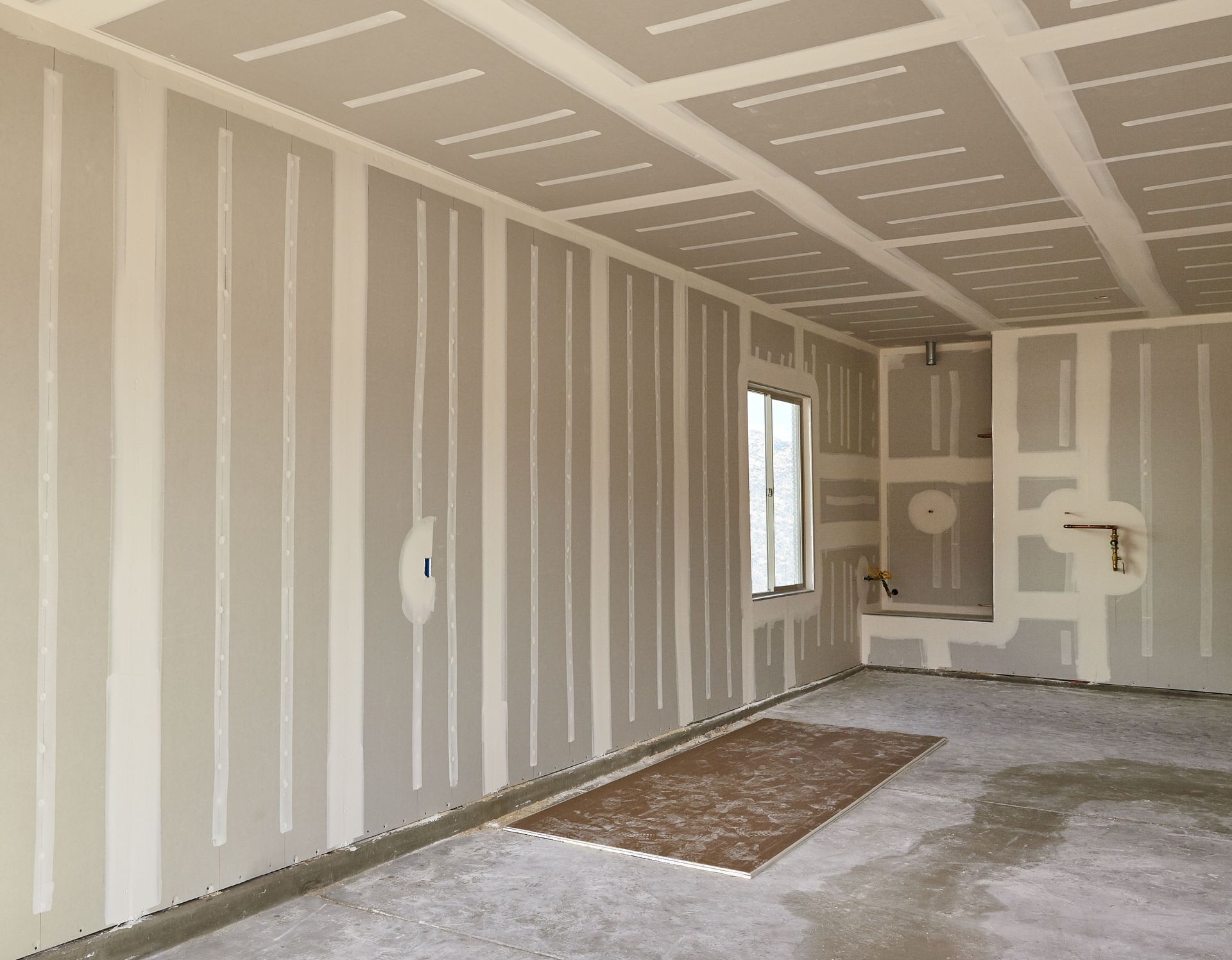
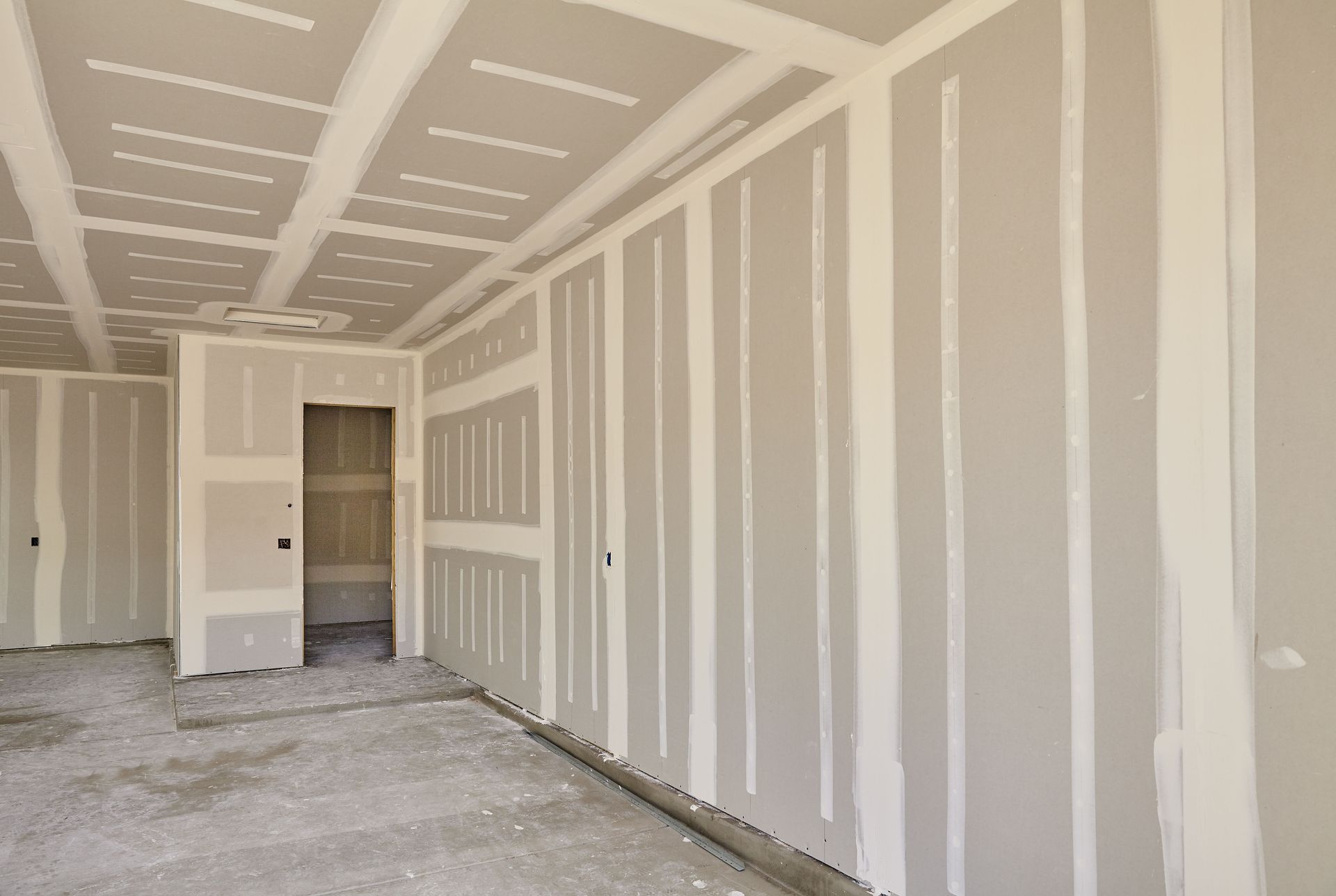
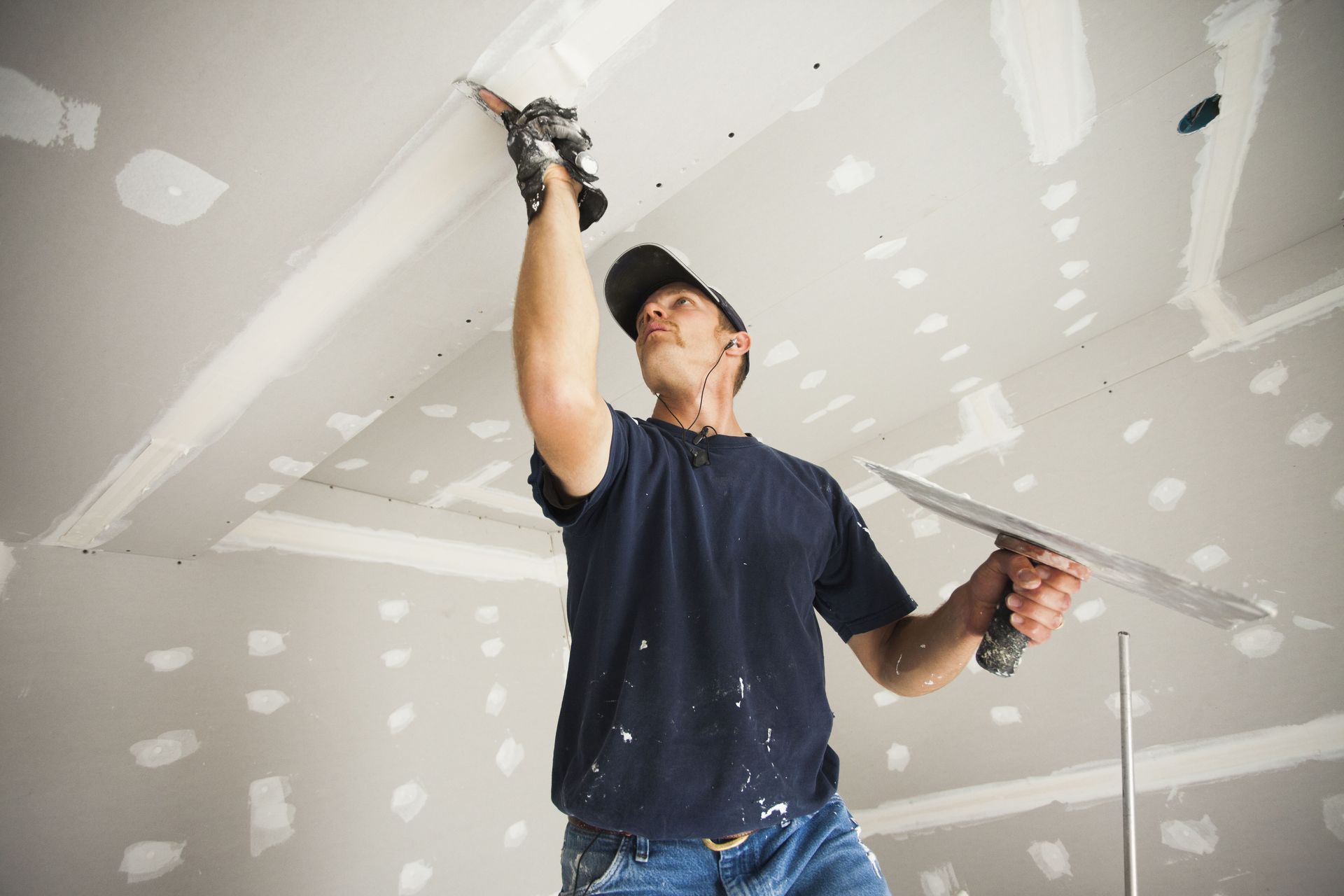
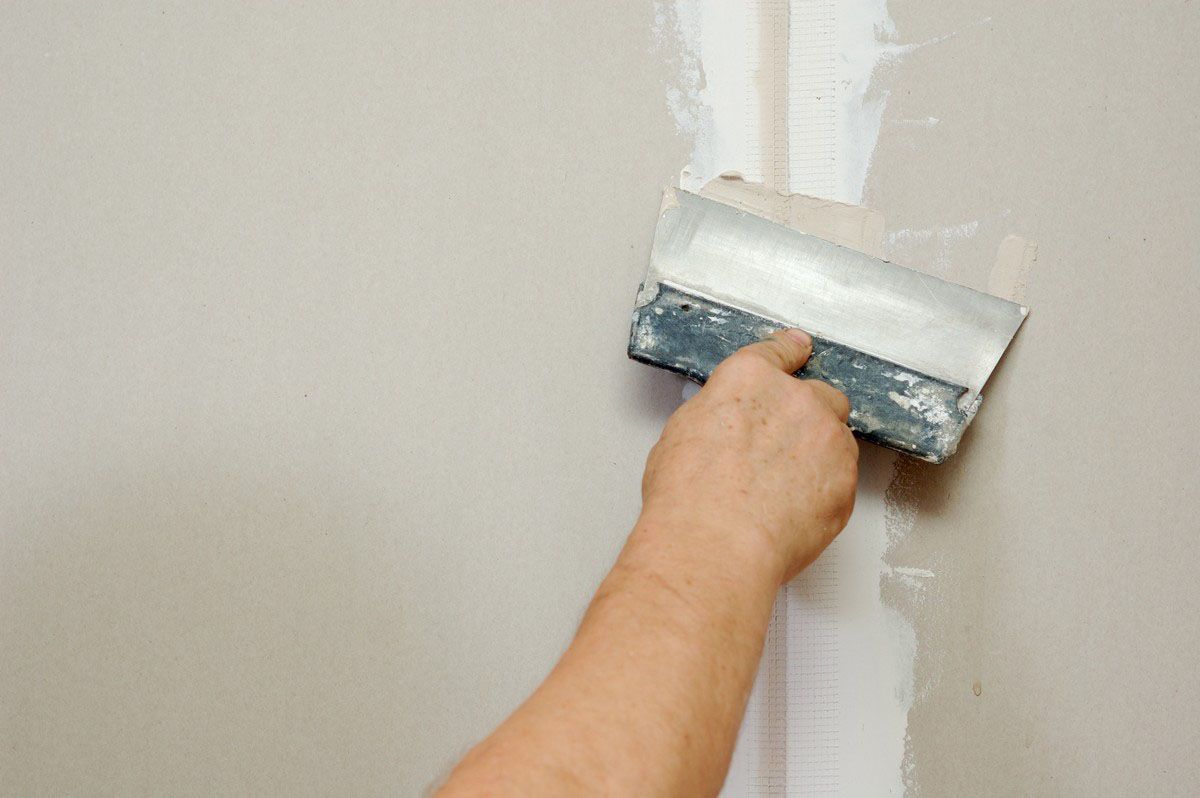
Drywall provides a consistent base for interior walls and ceilings. Once panels are fastened, joints are taped, and compound is applied and sanded, the finished surface can receive paint, wallpaper, or certain textured finishes. This adaptability makes it useful in rooms with different design goals, from bedrooms to offices with coordinated colors and lighting. Contractors can also form soffits, recessed features, and other architectural details using appropriately framed assemblies.
The quality of the finished surface depends on preparation and workmanship. Uneven framing, poorly aligned panels, and visible joints can become more noticeable after paint is applied, particularly under strong side lighting. Professional drywall companies can recommend suitable finishing levels for the intended decoration and lighting conditions. Selecting the appropriate finish at the beginning of a project helps avoid unnecessary rework and creates a cleaner appearance once other interior improvements are complete.
2. Supporting Efficient Construction Schedules
Construction schedules involve multiple trades that must complete their work in a practical sequence. After framing and rough electrical, plumbing, and mechanical installations are inspected where required, drywall can enclose the wall and ceiling cavities. Panels cover substantial areas, making them a practical alternative to some labor-intensive traditional wall finishes. Standardized sizes also help contractors estimate material quantities and organize deliveries before installation begins.
Efficient installation does not mean the work is effortless. According to HomeGuide, installing drywall is a labor-intensive process that typically requires at least two workers, as individual panels generally weigh between 50 and 60 pounds. Crews must move sheets safely, secure them correctly, and allow sufficient time for joint compound to dry between finishing stages. Drywall companies can plan labor and material handling around these requirements, helping projects progress without overlooking the steps needed for a durable finished surface.
3. Accommodating Different Building Layouts
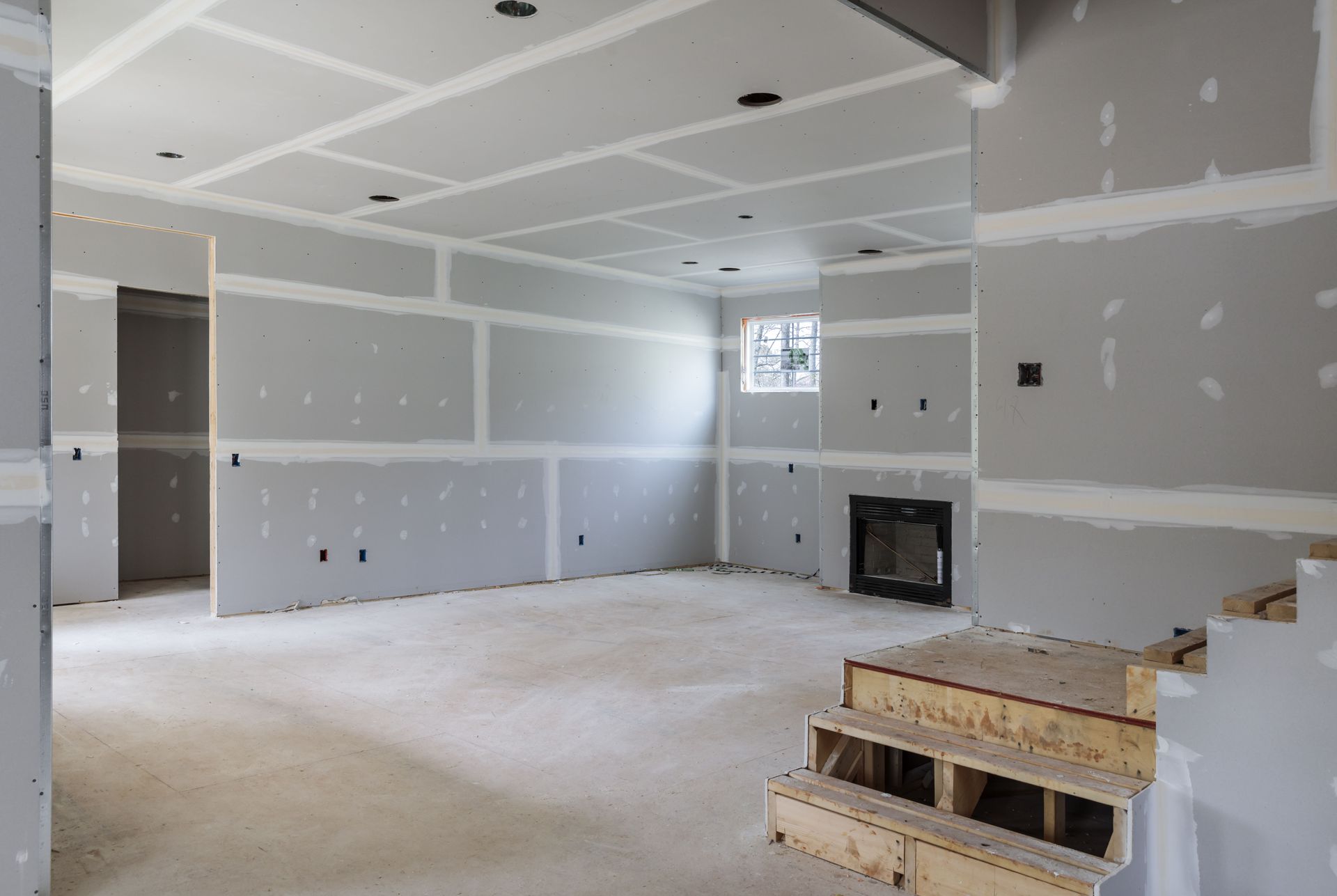
Homes, retail spaces, and offices rarely share identical floor plans. Interior partitions may divide large areas into private rooms, corridors, storage spaces, or work zones. Drywall works with common wood and metal framing systems, allowing builders to construct walls in many shapes and configurations. It can also be cut to fit around doors, windows, outlets, and other features that make each interior distinct.
This flexibility matters during remodeling as well as new construction. When a household changes how it uses a room or a business reorganizes its space, some non-load-bearing partitions can be modified without rebuilding the entire structure. Changes still require attention to building codes, structural elements, utilities, and any fire-rated assemblies. Experienced drywall companies can coordinate with the project team to make sure revised walls meet the intended layout and finish requirements while preserving important building functions.
4. Improving Fire-Resistant Assembly Options
Fire safety is a critical consideration in modern building design. Gypsum, the primary material in conventional drywall, contains chemically bound water that helps slow heat transfer as it is released under high temperatures. Certain panels are manufactured for use in tested fire-resistance-rated wall and ceiling assemblies. These products are especially relevant where building codes require separation between different occupancies, dwelling units, garages, or protected areas.
A fire-resistance rating applies to the complete tested assembly, not simply to an individual sheet of material. Framing, panel layers, fasteners, joint treatment, insulation, and penetrations must follow the applicable design. Substituting products or leaving openings improperly sealed can undermine the intended performance. Drywall companies working on rated assemblies need to follow project specifications carefully and coordinate with inspectors and other trades. This attention helps preserve the protective features built into the construction plan.
5. Managing Sound Between Interior Spaces
Sound control influences comfort in homes, apartments, schools, and workplaces. Conversations, televisions, equipment, and footsteps can move between rooms through walls, ceilings, and connected building components. Drywall forms part of assemblies designed to limit airborne sound transmission. Depending on the project, builders may combine multiple panel layers with cavity insulation, resilient channels, or other sound-control measures to improve separation between occupied spaces.
No single drywall product guarantees a quiet room. Gaps around electrical boxes, doors, ductwork, and other openings can allow sound to bypass otherwise effective walls. Performance also depends on the complete assembly and how carefully it is installed. Drywall companies can work from specified sound-rated designs and pay attention to sealing and finishing details. Thoughtful construction can make bedrooms more private, reduce distractions in offices, and support more comfortable shared environments.
6. Addressing Moisture-Prone Interior Areas
Different rooms expose wall materials to different conditions. Bathrooms, laundry rooms, and some utility spaces experience higher humidity or occasional splashes, so product selection deserves particular attention. Moisture- and mold-resistant gypsum panels may be appropriate in certain locations, provided they are used according to manufacturer instructions and building requirements. These products can support more suitable wall assemblies than ordinary panels in environments where humidity is a recurring concern.
However, resistant does not mean waterproof. Areas subject to direct water exposure, such as shower surrounds, generally require approved backer materials and properly installed waterproofing systems. Leaks and persistent condensation must also be addressed at their source. Professional drywall companies can help distinguish between locations suitable for specialized gypsum panels and areas requiring other materials. Making that distinction early protects the integrity of the finish and reduces the chance of avoidable moisture-related repairs.
7. Simplifying Future Repairs and Updates
Buildings change as people live and work in them. Furniture can leave dents, door handles can damage walls, and access to plumbing or wiring may require sections of an interior surface to be opened. Drywall is generally repairable when damage is limited, and the surrounding material remains sound. Small holes can often be patched, while larger damaged sections may be removed and replaced before joints are refinished.
Repairs still require skill if the new surface is expected to blend with the surrounding wall. Matching texture, controlling joint buildup, and preparing the area for paint can be challenging, particularly in brightly lit rooms. Professional contractors can assess whether patching or panel replacement is the more appropriate approach. The ability to repair localized damage can make ongoing interior maintenance more manageable and support renovations without replacing every existing wall surface.
8. Coordinating Cost and Material Planning
Budget decisions influence every construction project, from a small addition to a large commercial development. Drywall is widely available in standard panel sizes and different thicknesses, helping estimators calculate quantities for walls and ceilings. Contractors can compare products based on project specifications, required performance, and finishing expectations. This allows drywall work to be incorporated into broader material and labor budgets before crews arrive on-site.
Actual expenses depend on ceiling heights, room complexity, access, finishing level, and any specialty assemblies. Waste reduction also matters: careful measurements and panel layouts can limit unnecessary offcuts, although some waste is unavoidable. Experienced installers can provide estimates that account for installation, taping, finishing, and project-specific details rather than treating every square foot as identical. Clear planning helps owners understand what is included and reduces surprises as construction moves toward completion.
Drywall plays a major role in modern construction because it supports adaptable design, practical installation, and a wide range of interior performance needs. From creating smooth walls to contributing to fire-rated and sound-control assemblies, its usefulness extends well beyond appearance. Choosing the right panels, following specified installation methods, and allowing time for proper finishing are essential to achieving the intended results. Homeowners and commercial property owners can benefit from consulting experienced drywall companies to discuss room conditions, future maintenance, and design priorities before work begins. Whether you are planning new construction, updating an existing interior, or repairing damaged surfaces, contact Loza Drywall, LLC - Omaha Drywall Repair & Installation today.
Share On: